Weald Beekeepers' Association
Supporting Bees & Beekeepers
Weald
Beekeepers'
Association
Swarm Collection
Honey bee swarms, collection and removal
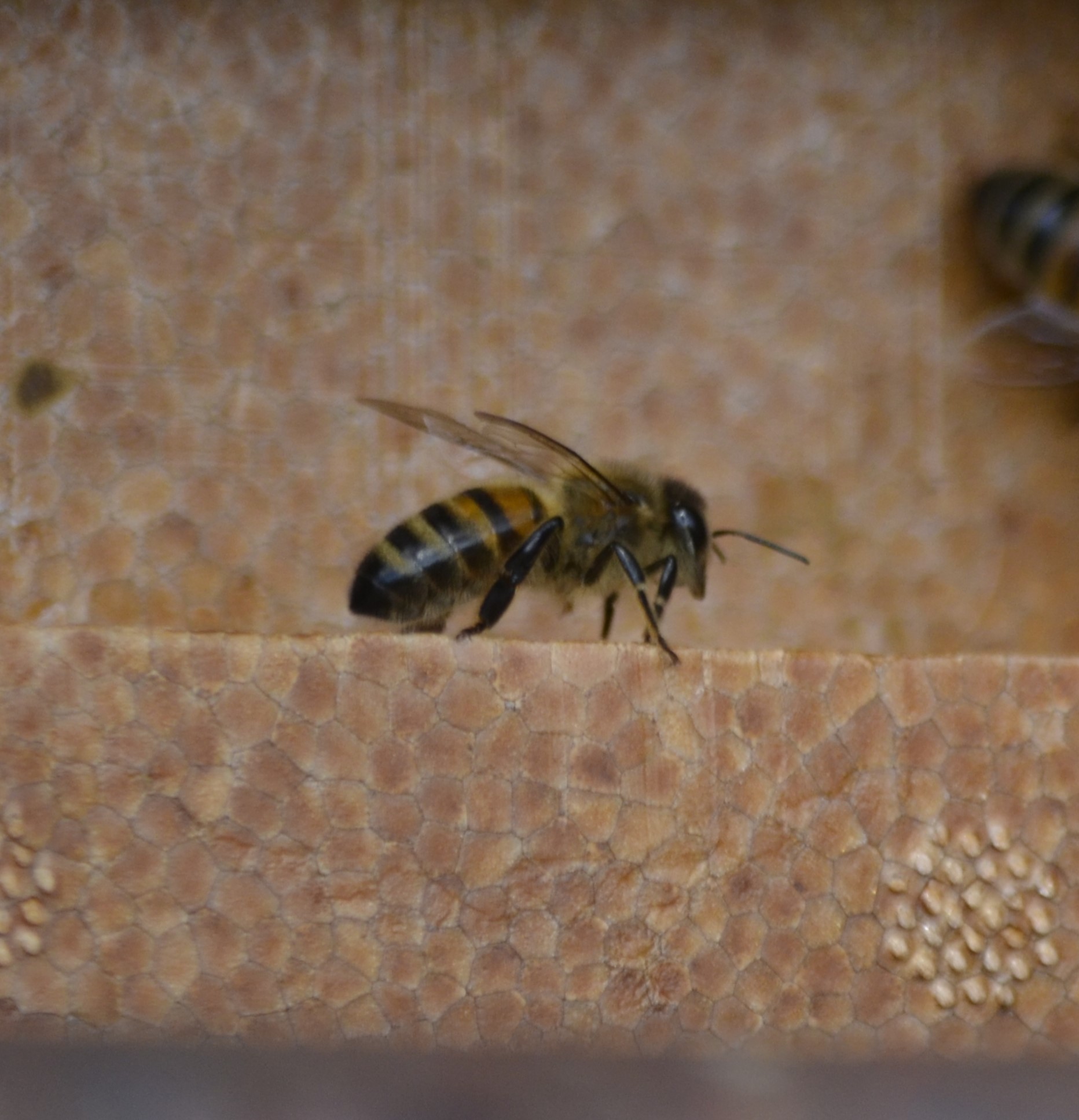
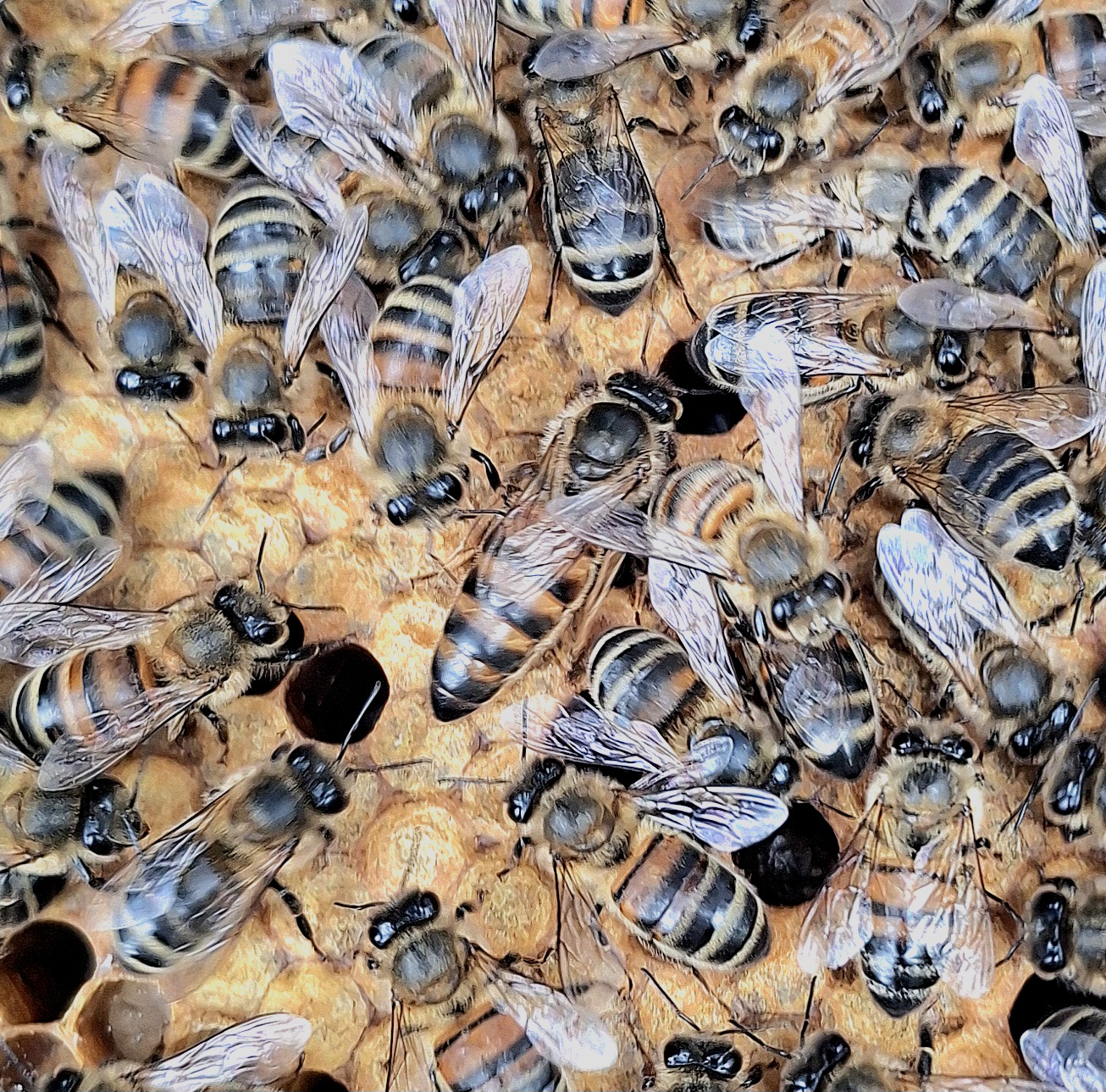
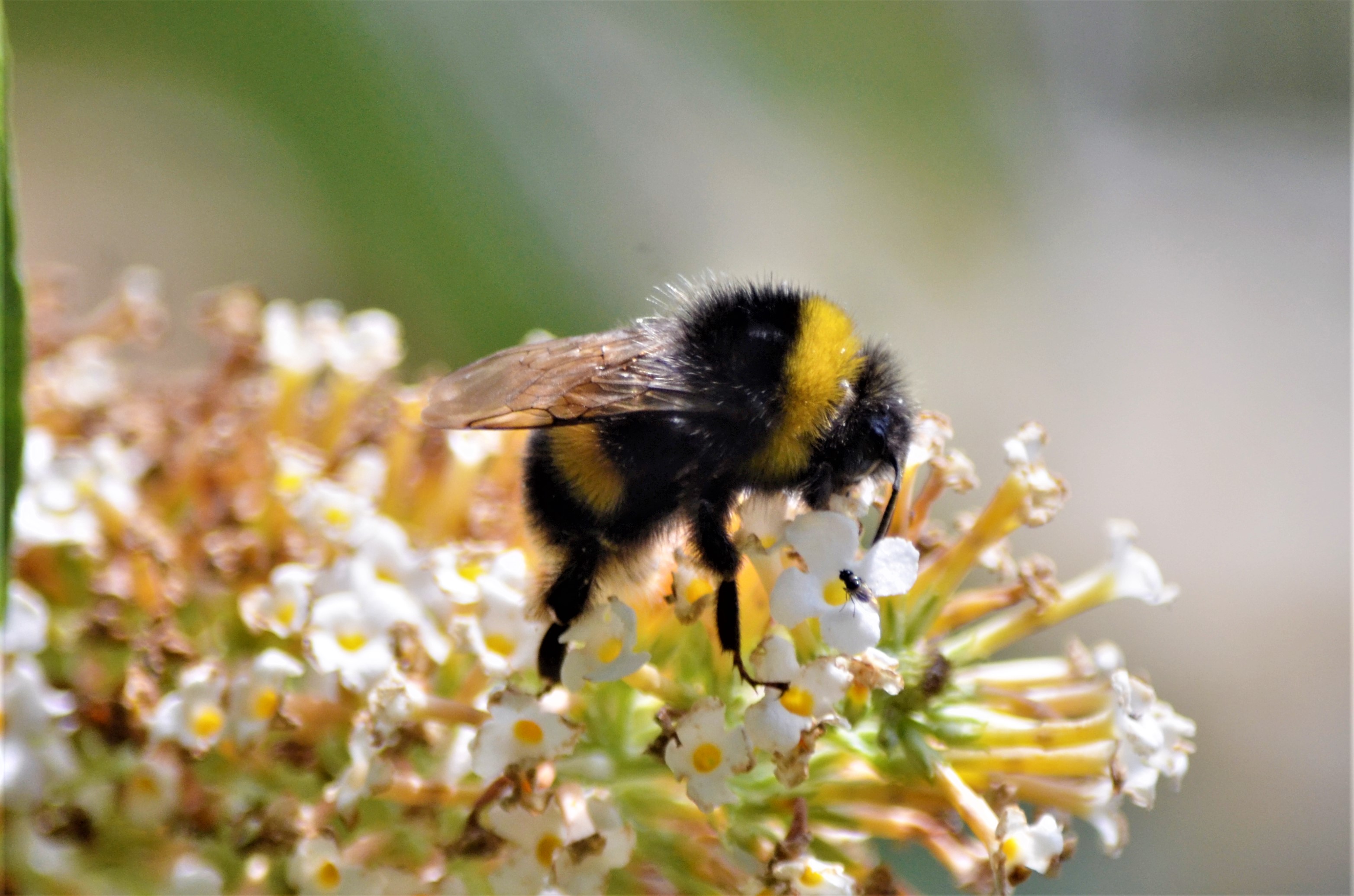
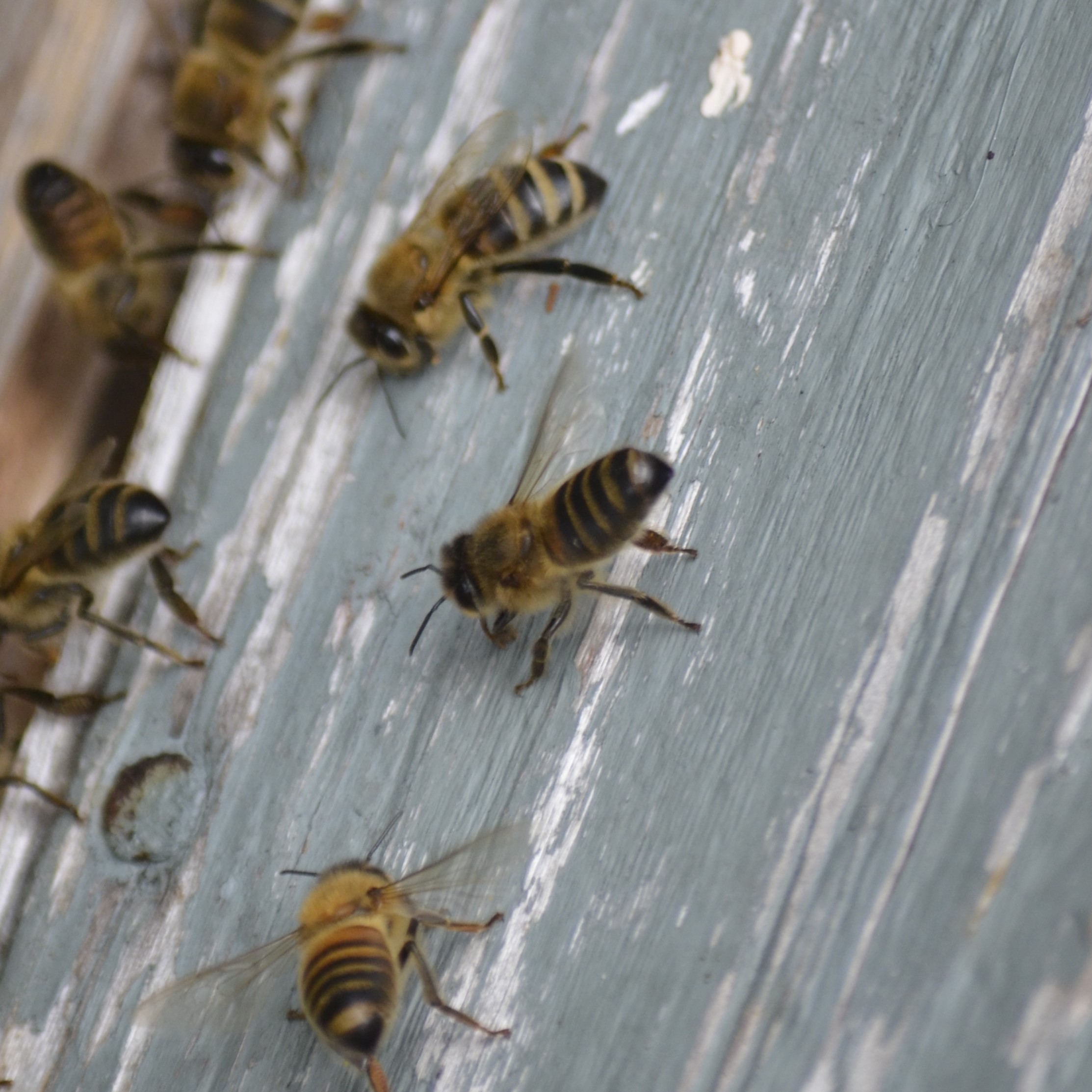
Honey bees can often be confused with other bees, before contacting us for a collection, please make sure it is honey bees. Below are pictures of honey bees and a bumblebee which they are often mistaken for.



Identifying Honey Bees
The anatomy of the honey bee consists of three main sections: the head, thorax and abdomen.
Honey bees are medium in size, typically smaller than bumblebees but larger than many solitary bees. They have a dark black or brown body with yellow bands. Their legs are dark, wings are translucent and they have fine hairs over their body.
Honey bees are social bees, unlike their solitary counterparts, they live in colonies with thousands of others.
Active from March to September, bees are most likely to swarm between April and July.
Honey Bee Swarms
Bees typically swarm when a hive becomes too large. Around half the worker bees leave with the old queen to establish a new colony, while the remaining bees stay behind and raise a new queen. This process ensures the survival and expansion of the species beyond individual bee reproduction, which only produces new worker bees within the existing colony.
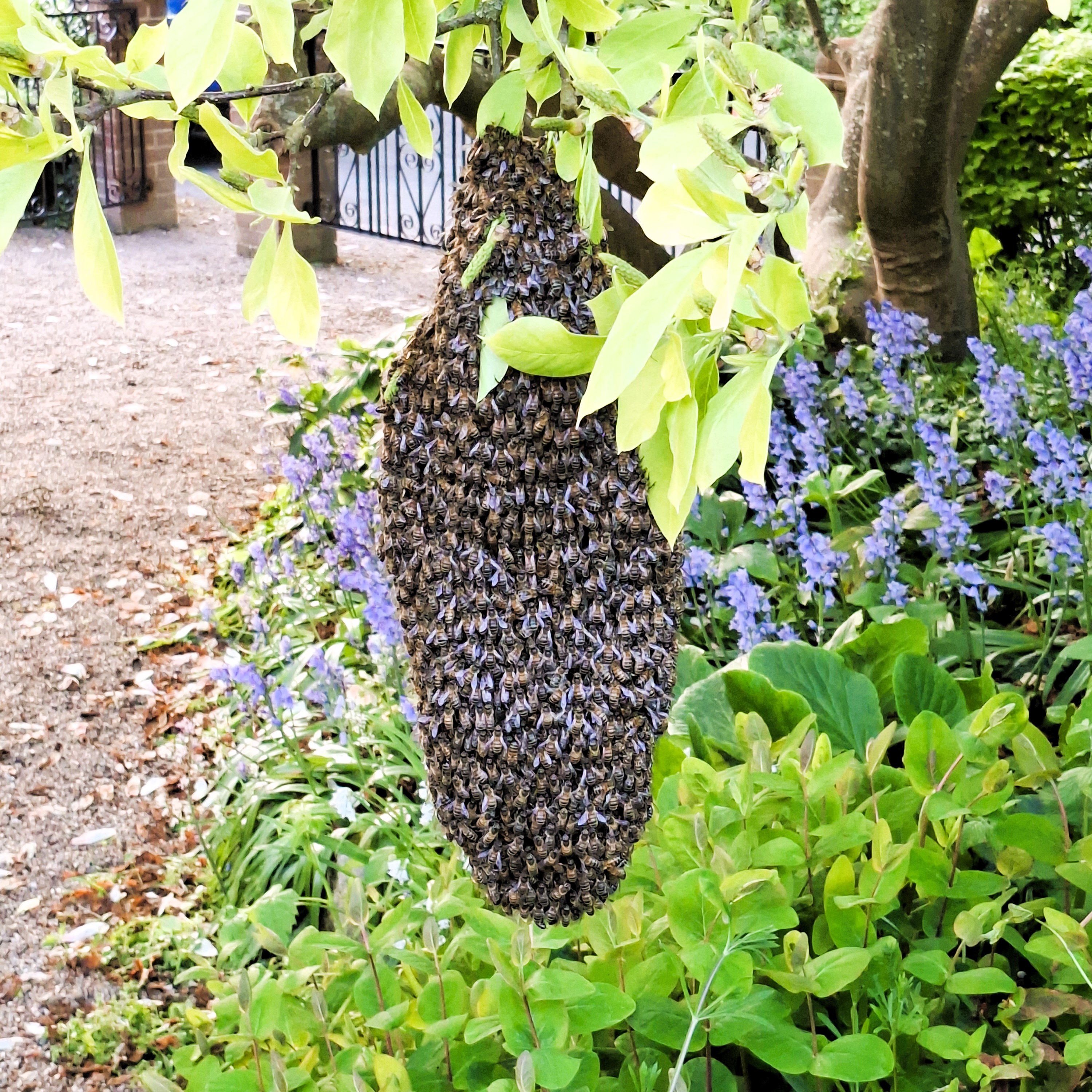
Before leaving the worker bees fill up with honey, they are fairly docile and not aggressive but they should left alone for a beekeeper to collect. Once the bees swarm they often find places to rest before moving on to their chosen destination. These clusters that are often seen in trees, fences, lamp-posts are worker bees surrounding and protecting the queen bee as she rests. These swarms sometimes move on fairly quickly but they usually rest for and hour or two. As they move on, they will fly off as a group.


Reporting A Swarm
When reporting a swarm to us for collection, there are a few things we need to know:
1, Are they honey bees? Use the identifying honey bees section above.
2, How long have they been there?
3, How big is the swarm? Tennis ball, rugby ball etc.
4, Where are they located? Tree, fence, wall etc and the street address.
5, Are they accessible? They need to be within an easy height for a beekeeper to reach,
and they need to have access to them.
6, Your name and contact number for a collecting beekeeper to contact you.